
Ransomware Attacks on Dental Practices: How Hackers Are Holding Patient X-Rays and Records for Bitcoin
The increasing prevalence of ransomware attacks on Dental Clinics
With the ever-increasing number of cyberattacks happening in the healthcare sector, an overlooked part that the media often neglects to mention is the growing wave of ransomware attacks on dental clinics, both big and small. As more of these attacks occur, it’s becoming increasingly clear that many dental clinics are unprepared for modern-day cyberattacks.
How ransomware attacks affect your Dental Clinic
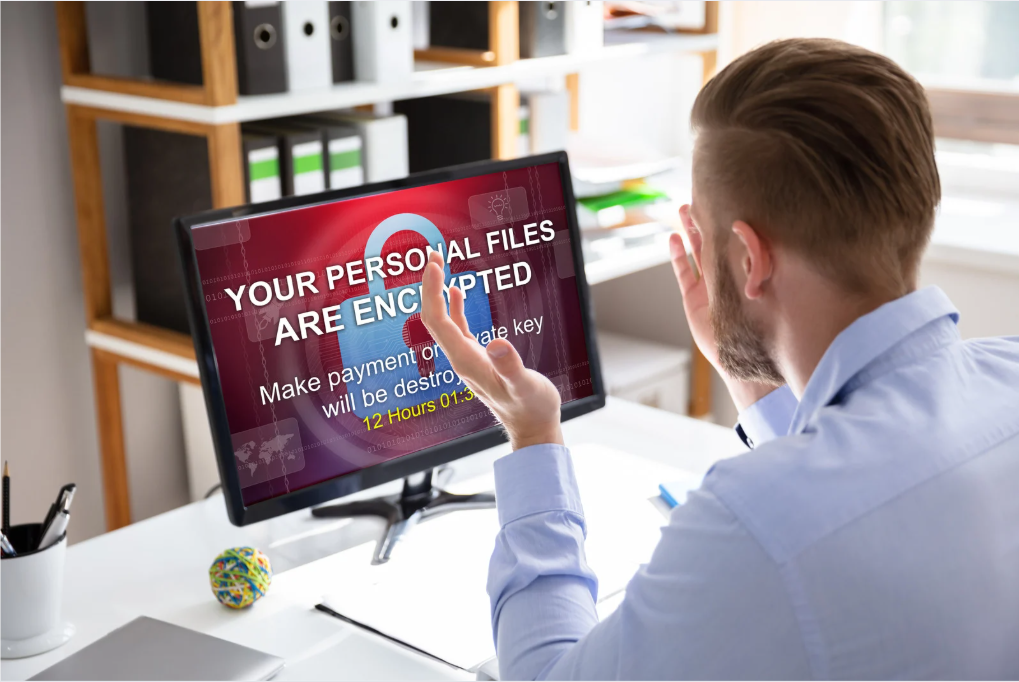
As dental clinics become more reliant on technology to record and store patient data, this trove of information becomes a goldmine for hackers, who know exactly how important this data is to each clinic. With many clinics still using:
outdated imaging and billing software
no utilization of multifactor authentication
untrained staff that fall for phishing attempts
hackers can easily break into your systems to steal data and install ransomware, demanding large ransoms to get that data back.
Why YOU should care
Now you, as a small dental clinic owner, might say to yourself, “Oh, there’s no way hackers would go after someone as small as me.” But that’s exactly the kind of thinking many small dental clinic owners have—and it’s what makes them easy pickings for hackers.
Without proper security measures such as:
secured backups
multifactor authentication
using a VPN instead of an unsecured remote network
it’s not a matter of if an attack will happen, but when it will happen.
Once an attack occurs, you don’t just lose money paying the ransom. You also lose revenue from the downtime while your data is locked, you’ll have to pay for a post-attack forensics report, and most importantly, you risk losing the trust and goodwill of your customers—who may leave and spread the word about your failure to protect their data.
What can you do about it?
With what was listed above, here are some things you can do to mitigate your risk and reduce the damage of a cyberattack on your clinic:
Use a VPN on unsecured remote networks
By using a VPN on any unsecured remote network, you prevent hackers from being able to see your employees’ traffic when they’re connected to that network.
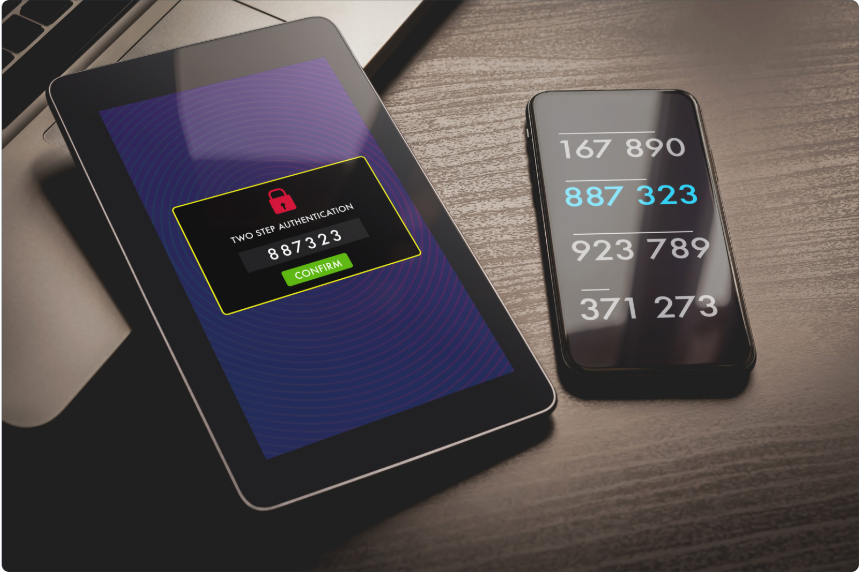
Require the use of multifactor authentication
With multifactor authentication, even if hackers manage to steal an employee’s login credentials, your clinic gains an additional layer of security—and valuable time for the employee to change their login information.
Maintain secured backups
If the worst comes to worst and your dental clinic’s machines become infected with ransomware, secured backups allow you to keep day-to-day operations running using your backed-up data while you figure out how to deal with the ransomware.
Should you have any questions, don’t hesitate to reach out to Benson Hunt Technologies!
